
Q1. What function do valves serve in the petrochemical and oil refining industries?
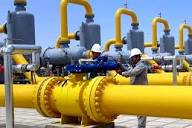
In the petrochemical and oil refining industries, valves play a crucial role in controlling the flow of various fluids, including chemicals, gases, refined products, and crude oil, during the refining and processing processes. They control flow rates, temperature, and pressure to guarantee secure and effective operations.
Q2. What types of valves are commonly used in this industry?
Several types of valves are commonly used, including:
Gate valves, Globe valves, Ball valves, Butterfly valves, Check valves, and Control valves.
Q3. What are the differences in valve materials across various industries, and what makes material selection crucial?
Materials used in valves must be able to tolerate extreme heat, corrosive chemicals, and high pressure. Common materials include alloy steel, carbon steel, stainless steel, and special alloys like Hastelloy or Monel, which are selected based on mechanical qualities, chemical compatibility, and temperature resistance.
Q4. What are some typical problems this industry has with valve applications?
Typical difficulties consist of:
High temperatures and abrasive fluids can cause erosion and corrosion
Solid particle abrasion in the process streams
High temperatures and high pressure in the operational environment
Problems with maintenance and dependability brought on by repeated cycling and challenging operating conditions
Q5. Which valve types are frequently used in petrochemical and oil refining processes?
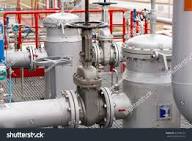
Gate valves are frequently used in storage tanks or pipelines to provide on/off control
Globe valves can control or limit flow in operations that need exact control
Ball valves are perfect for isolation or emergency shutdowns because of their rapid opening and shutting
Butterfly valves are utilised in situations with high flows and restricted space
Check valves guarantee one-way flow direction by preventing reverse flow
Plug valves are adaptable and have a broad range of fluid and pressure tolerances
Q6. What is the maintenance procedure for valves in petrochemical and oil refining facilities?
Typical valve maintenance consists of:
Frequent checking for wear, corrosion, and leaks
When necessary, lubrication and cleaning
Replacing or repairing deteriorated or broken parts
Testing and calibration to guarantee optimal performance.
Q7. How do valve technology developments affect the petrochemical and oil refining industries?
Improved materials and coatings for increased durability and corrosion resistance, sophisticated predictive maintenance techniques, and the creation of intelligent valves with remote monitoring and control capabilities are just a few examples of how valve technology advancements can contribute to increased safety, efficiency, and dependability in petrochemical and refining operations.
Q8. What is the effect of valve selection on the overall profitability and efficiency of petrochemical and oil refining operations?
Selecting the appropriate valves for a given application can improve process efficiency, minimise maintenance or failure-related downtime, lower energy consumption, improve safety and environmental compliance, and ultimately increase the profitability of petrochemical and refinery operations.
Q9. How do valves in petrochemical and oil refining facilities improve safety?
In emergency shutdown systems (ESD) and safety instrumented systems (SIS), valves are essential components that offer fail-safe mechanisms to isolate equipment in the event of abnormal conditions, such as overpressure or leaks. Fail-safe mechanisms help minimise environmental and personnel risks, prevent accidents, and save lives.
Q10. What are some new developments in the petrochemical and oil refining industries’ valve designs?
Advances in materials and coatings to increase performance, durability, and corrosion resistance, as well as intelligent valves with sensors and actuators for remote monitoring and control, are among the trends. There is also an increasing focus on valve automation and interfaces with digital systems for increased efficiency and dependability.
Conclusion
In the petrochemical and oil refining industries, valves are more than just parts; they are productivity, safety, and efficiency boosters. Valves precisely and consistently control the flow of fluids and gases in various petroleum derivative and petrochemical processes from the initial processing of crude oil. It is impossible to overestimate their importance in preserving ideal process conditions, guaranteeing safety, and reducing downtime.
The significance of valves will only increase as the sector develops further due to sustainability requirements and technology breakthroughs. Manufacturers are developing innovative valve solutions that increase safety requirements, lower emissions, and boost efficiency. Since its founding in 1982, STEELSTRONG VALVES has become a significant force in valve manufacturing. The company has manufacturing facilities in Sanand, Gujarat, and Navi Mumbai, Maharashtra. Gate, Globe, Check, Ball, and Cryogenic Valves are among their product offerings. They are made in compliance with several standards, including BS, API, and ASME-ANSI. These valves are available in a range of sizes, pressure ratings, and materials, including stainless steel, carbon steel, alloy steel, duplex steel, and monel.